
Some work arrives with a clear brief. A lot doesn’t. The question is still forming, the constraints are only half known, and there may be two or three plausible routes forward with no obvious way to choose between them. Pricing follow-on delivery work at that point is largely guesswork, and the uncertainty often reappears later as rework.
Phase 0 is a short, fixed-scope engineering commission that deals with the definition properly before anything larger is committed. I work through the material you already have, ask the awkward questions early, and set out the real problem, the constraints that actually bind, what remains unknown, and the sensible next steps and trade-offs.
What you get is a concise written report you can use internally to make a decision, or as a brief clear enough for me or another supplier to quote against properly. If the work is already defined well enough, I’ll say so and quote for the next stage directly.
What this usually looks like

Outputs
- Scoping report, typically 5–10 pages (PDF)
- Clarified problem definition, scope and constraints
- Recommended next steps, with key options and trade-offs
- A sound basis for internal decisions and follow-on quotations

Typical timeframe
- Usually scheduled across 1–2 weeks
- Standalone commission with an agreed scope and fixed fee
- Best suited to a bounded early-stage question or decision

How it runs
- Kick-off review call to frame the work and confirm known constraints
- Progress updates, usually by concise email, illustrated where useful
- One review round on the draft report

What I’ll need from you
- A summary of the problem, current concerns and desired outcome
- Known context, including constraints, assumptions and background
- Existing material that may help: CAD, drawings, photos, reports etc.

Case study
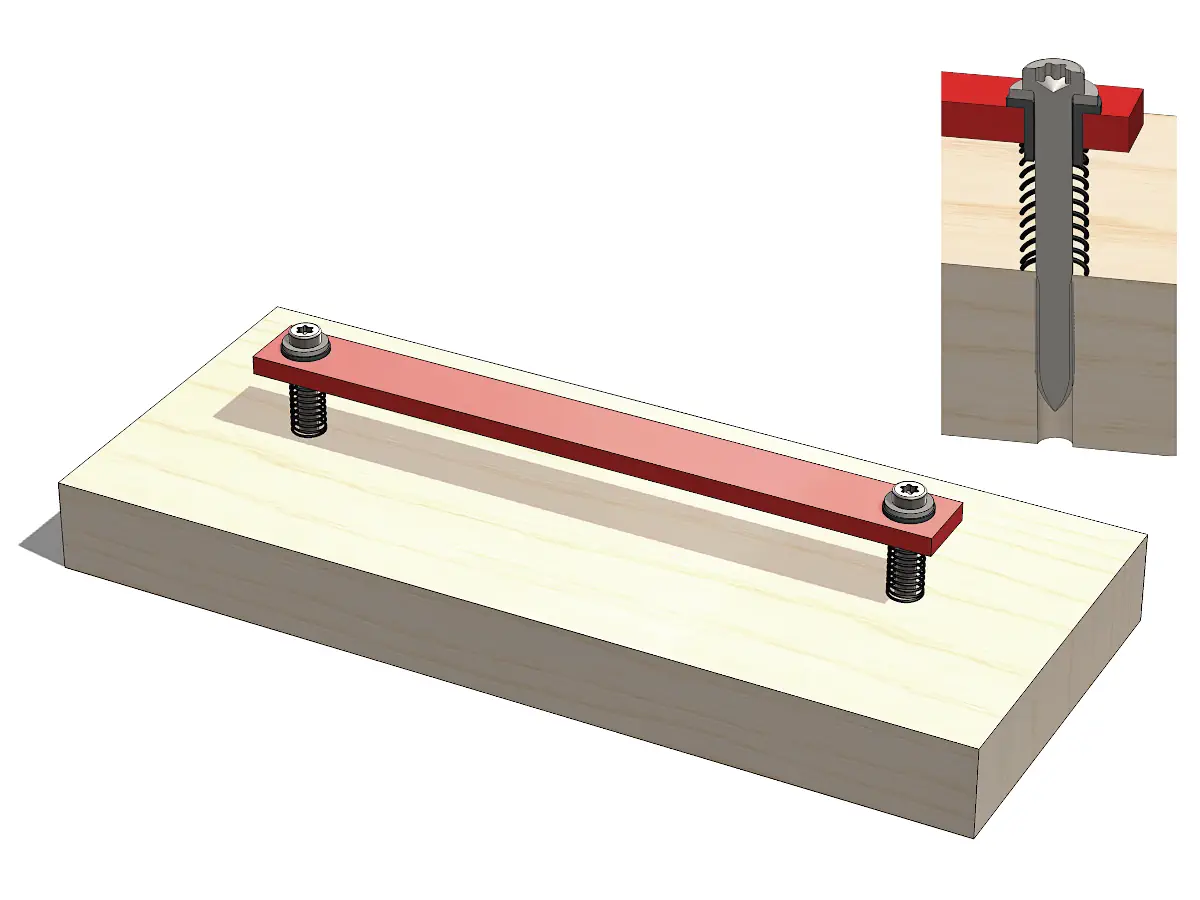
Support bar fasteners
What first appeared to be a supplier-quality issue proved to be an under-defined bespoke component. A Phase 0 investigation identified the failure mechanisms, clarified the missing requirements and established the route later developed into a revised production design.
Common questions
A few quick answers about when Phase 0 is useful and when it is not needed.
Not sure if Phase 0 is the right starting point?
Tell me where things stand and I’ll help you figure out the right place to begin.