
Engineering problem triage
Understand what’s wrong with an existing design before deciding what to change.
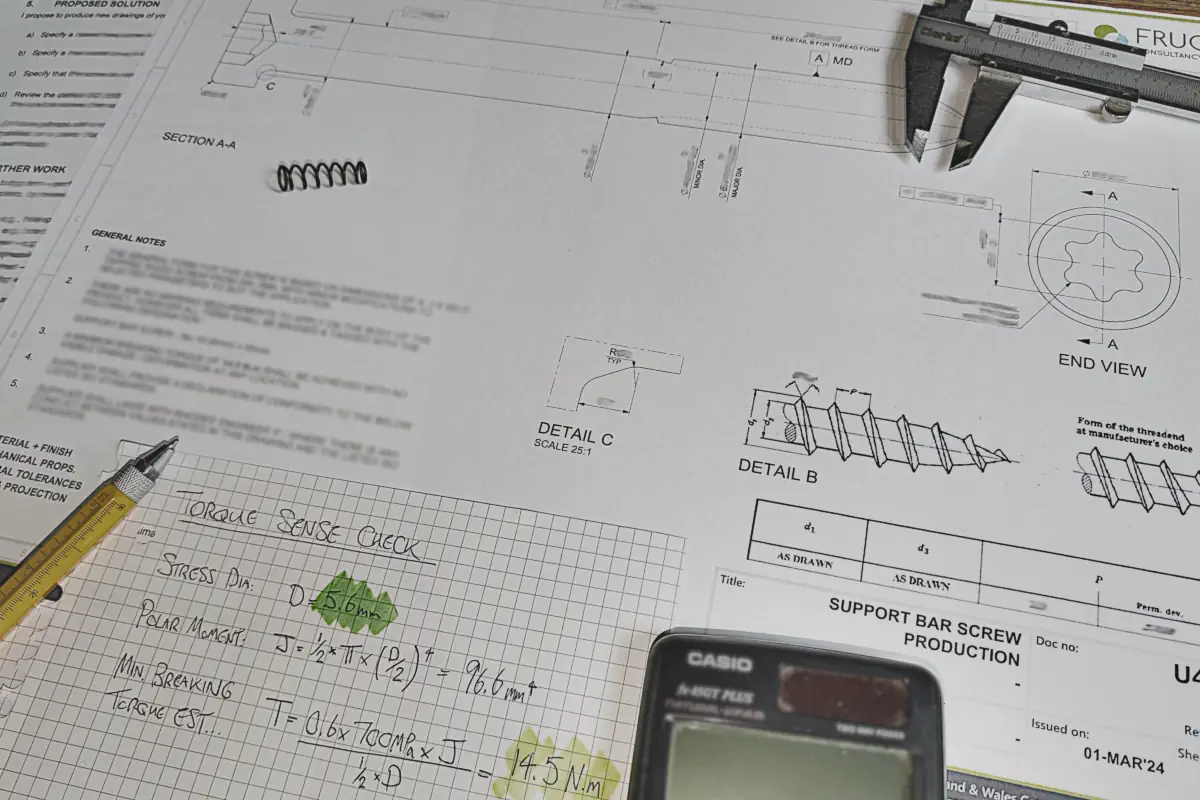
When an existing design is not working as it should, the obvious explanation is not always the right one. I help narrow down what is most likely happening, separate symptoms from root causes, and establish a more defensible basis for deciding what to do next.
This is useful when an existing mechanical product, assembly or fabricated structure is not behaving as expected and the underlying cause is still unclear.
Is this you?
- Something’s failing or underperforming and the explanations so far haven’t held up.
- You’re about to spend money on a fix but aren’t sure you’ve found the real cause.
- The obvious culprit has been “fixed” before, but the problem came back.
- Test results or field behaviour don’t make sense against what the design should do.
- Different people blame different things: the supplier, the material, the design or the installation.
Approach
This usually starts with the symptoms already visible: poor performance, inconsistency, unexpected behaviour, damage, test results that do not make sense, or legacy documentation that no longer provides a reliable basis for action. I review the available evidence, challenge the assumptions already in play, identify the most credible explanations, and reduce the situation to a smaller number of likely causes or decision paths.
Where changes affect existing equipment, production systems, legacy product families or ongoing spare-parts support, the investigation must also account for wider dependencies. In those cases, the aim is not only to identify what may be wrong, but to do so in a way that supports safe and practical next steps with minimal disruption.
The objective is to establish enough confidence about what is really happening to avoid chasing the wrong fix and to choose a more grounded route forward. The work may then progress into concept generation and comparison, followed by a defined-scope sprint once the route forward is clear enough for delivery.
At a glance
Engagement modes
Typical inputs
A clear summary of what is going wrong and when · Available evidence: photos, videos, test results, drawings and CAD · Known constraints: testing, downtime, cost, access and continuity
Typical outputs
A clear problem statement and ranked likely causes · A shared definition of what "fixed" means · Practical routes forward, with risks and unknowns identified
Where it sits
Early, when something is wrong but the cause is not yet clear.
Related case study
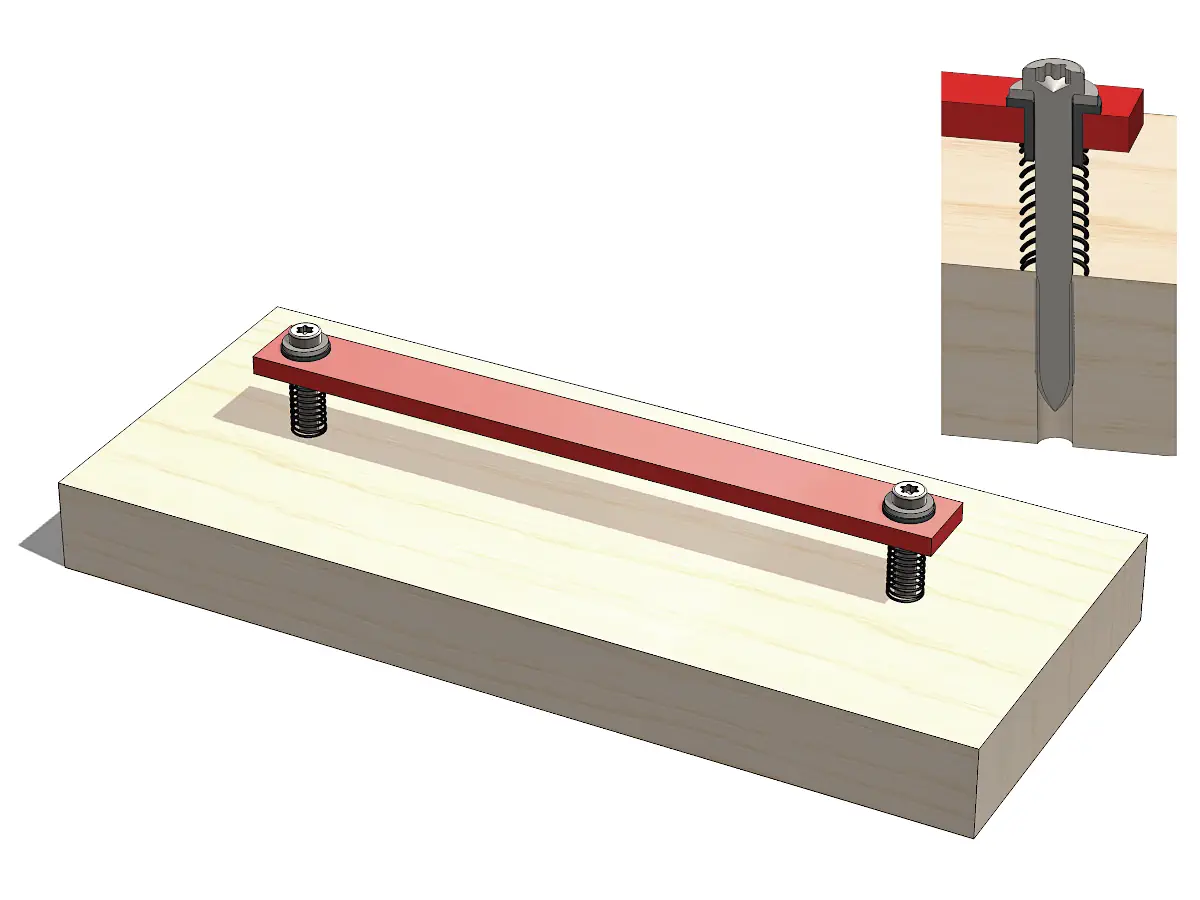
Support bar fasteners
What first appeared to be a supplier-quality issue proved to be an under-defined bespoke component. A Phase 0 investigation identified the failure mechanisms, clarified the missing requirements and established the route later developed into a revised production design.
Common questions
A few quick answers about the scope, evidence and likely outcomes of engineering problem triage.
Chasing a problem that won’t stay fixed?
Send a short account of what’s going wrong and I’ll tell you whether a focused investigation would help.