
Problem definition & design basis
Turn a vague or shifting brief into a clear, agreed basis of design.

When a mechanical engineering problem has not yet been clearly framed, the work can drift, loop or head in the wrong direction. I clarify what is actually being decided, separate symptoms from root causes, and establish a more defensible basis for choosing what happens next.
This is often the first stage of product development or a wider mechanical engineering design project, before committing to concept development, detailed design, substantiation and ultimately manufacture or construction.
Handled as a short Phase 0 sprint, this turns a loosely formed enquiry into a clear engineering brief that can be scoped, priced and planned with confidence. The resulting design basis can then support a follow-on commission with me or provide a sound basis for seeking quotations from other design firms.
Is this you?
- The brief still feels unsettled. You sense something isn’t right, but can’t yet pin down what needs deciding.
- People describe the problem differently, or don’t agree on what a successful outcome should look like.
- The work keeps looping back over the same questions without ever quite settling.
- There’s pressure to start detailed design or CAD, but you’re not yet confident it’s the right thing to commit to.
- There’s plenty of material, including emails, sketches, legacy drawings and test results, but no clear thread running through it all.
Approach
I start by reviewing what already exists, such as emails, sketches, CAD, notes and test results, and identifying the questions that are actually holding progress back.
From there, I tighten the brief, surface the constraints that matter, and turn the uncertainty into a small number of defensible routes forward. This may also include clarifying requirements, assumptions, interfaces and system boundaries before they become costly to unwind.
The result is a clearer problem statement and a firmer design basis. From there, the work can move into concept generation, option comparison, trade-off assessment, or early cost and manufacturability checks.
At a glance
Engagement modes
Typical inputs
Existing information and background · A short discussion with the relevant decision-makers · Known constraints and deadlines
Typical outputs
A clear problem statement · Agreed success criteria · Key requirements, constraints and assumptions · Defensible routes forward, with key risks identified
Where it sits
At the front end, before committing to concept development, detailed design, manufacture or construction.
Related case study
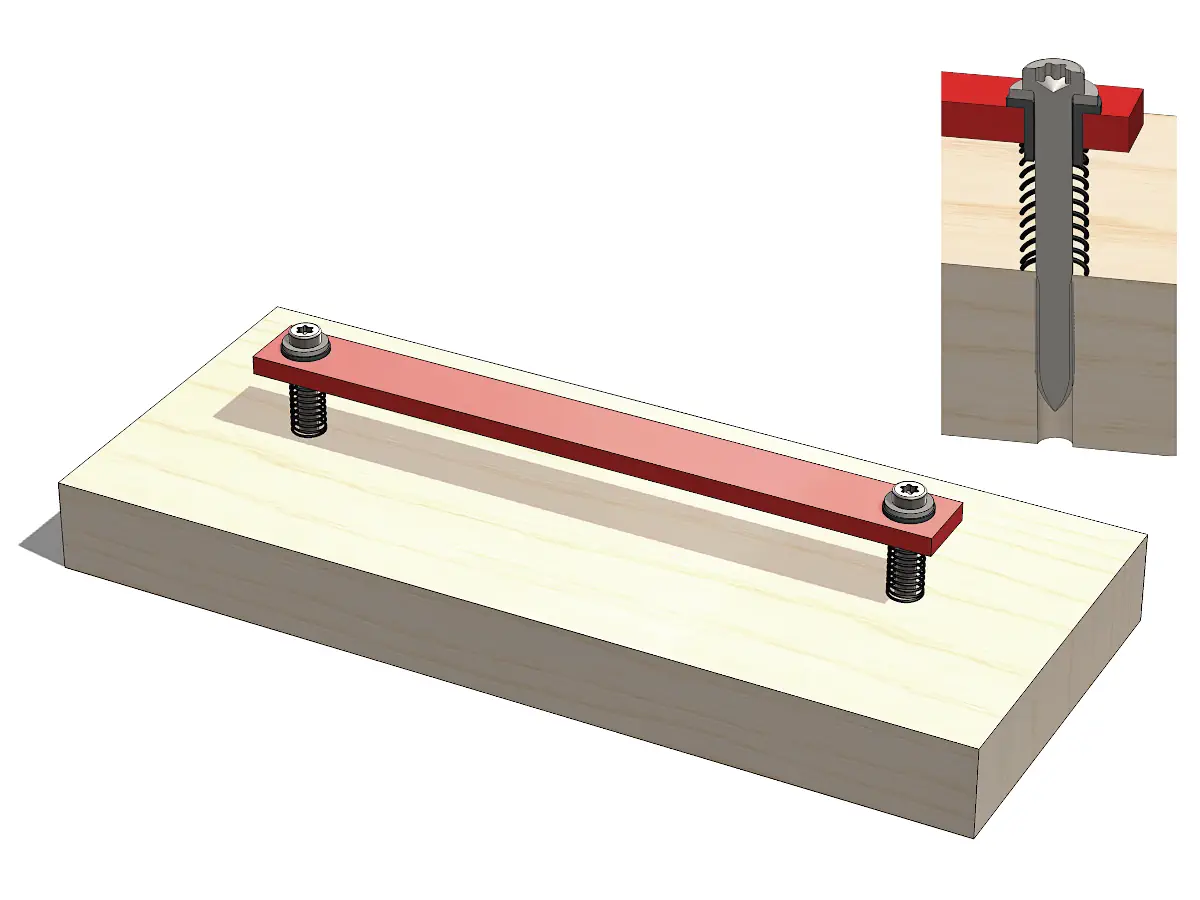
Support bar fasteners
What first appeared to be a supplier-quality issue proved to be an under-defined bespoke component. A Phase 0 investigation identified the failure mechanisms, clarified the missing requirements and established the route later developed into a revised production design.
Common questions
A few quick answers about when problem definition adds value and what it may uncover.
Not sure the brief is right yet?
Send a short summary of the problem and I’ll tell you whether some definition work would help.