
Structural analysis & substantiation
Establish whether a design meets its defined structural requirements.
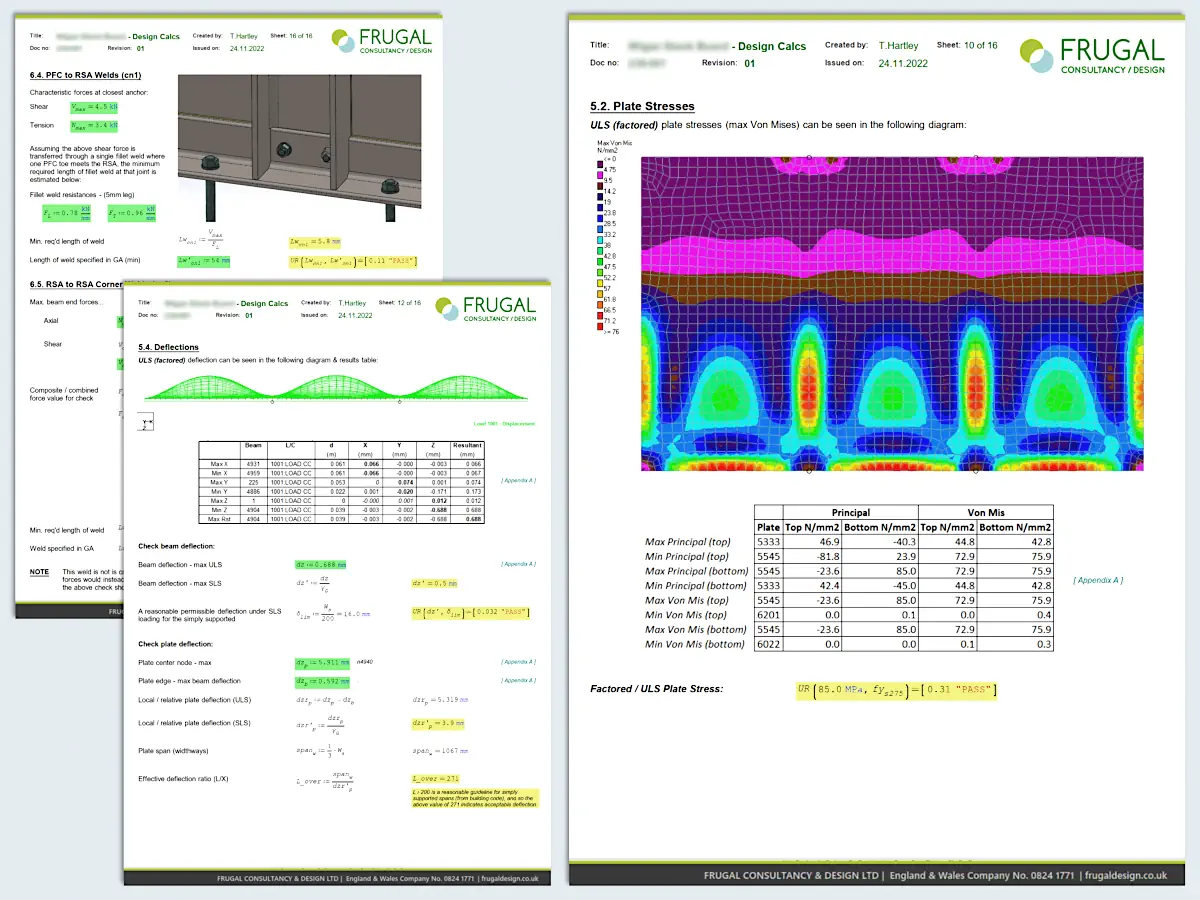
When a design needs structural evidence, the value is not in running analysis for its own sake, but in producing clear, traceable evidence against the requirements that matter. My FEA consultancy combines practical finite element analysis, manual calculations and other stress analysis methods as the problem requires, to establish whether the design is structurally adequate, where the margins lie and what, if anything, needs to change.
The work is shaped around the decision it needs to support: concept selection, design development, release, customer review or a wider compliance process.
The analysis basis, assumptions, load cases and acceptance criteria are agreed up front, so the resulting calculations and report answer a defined engineering question rather than simply producing plots and numbers.
Is this you?
- You’re working with: a welded frame, fabricated structure, structural steelwork, machinery component, handling equipment or another mechanically loaded assembly.
- You need to show the design meets its structural requirements, for a release decision, customer, standard or your own confidence.
- Your design “looks about right”, but no one has checked whether the numbers support it.
- You’ve been asked for calculations or a substantiation report but lack the in-house capacity, or need an external engineering view.
- You’re not sure how much margin you’re carrying, or whether it is quietly running close to a limit.
- Something needs verifying before you commit to further design work, tooling or manufacture.
Approach
This starts by agreeing what the analysis needs to establish: the design scenarios and load cases, the assumptions and boundary conditions, and the criteria against which the design will be judged. I confirm that basis with you before the main calculations or analysis begin.
Depending on the application, work may be substantiated against applicable Eurocodes, product standards, machinery requirements and client-specific design criteria.
I then carry out the manual calculations, FEA or combined assessment needed to answer the agreed questions. Depending on the stage of the design, that may mean checking the adequacy of a concept, verifying a detailed design, supporting a release decision or identifying where the governing limits sit.
Where analysis runs alongside design development, structural issues can be found and resolved before the geometry is fixed. Where I am assessing a design produced by others, the outcome is a clear engineering judgement: what is supported, what is not, where the margins lie and what action is needed. That may support progression or release, identify targeted design changes, or define further checking, testing or specialist input.
At a glance
Engagement modes
Typical inputs
Design information or geometry · Agreed analysis basis and acceptance criteria · Relevant loads, materials and supporting evidence
Typical outputs
Manual calculations, FEA results or both · Clear view of margins, shortfalls and risks · Concise substantiation report
Where it sits
Alongside design development, or just before a release decision.
Related case study
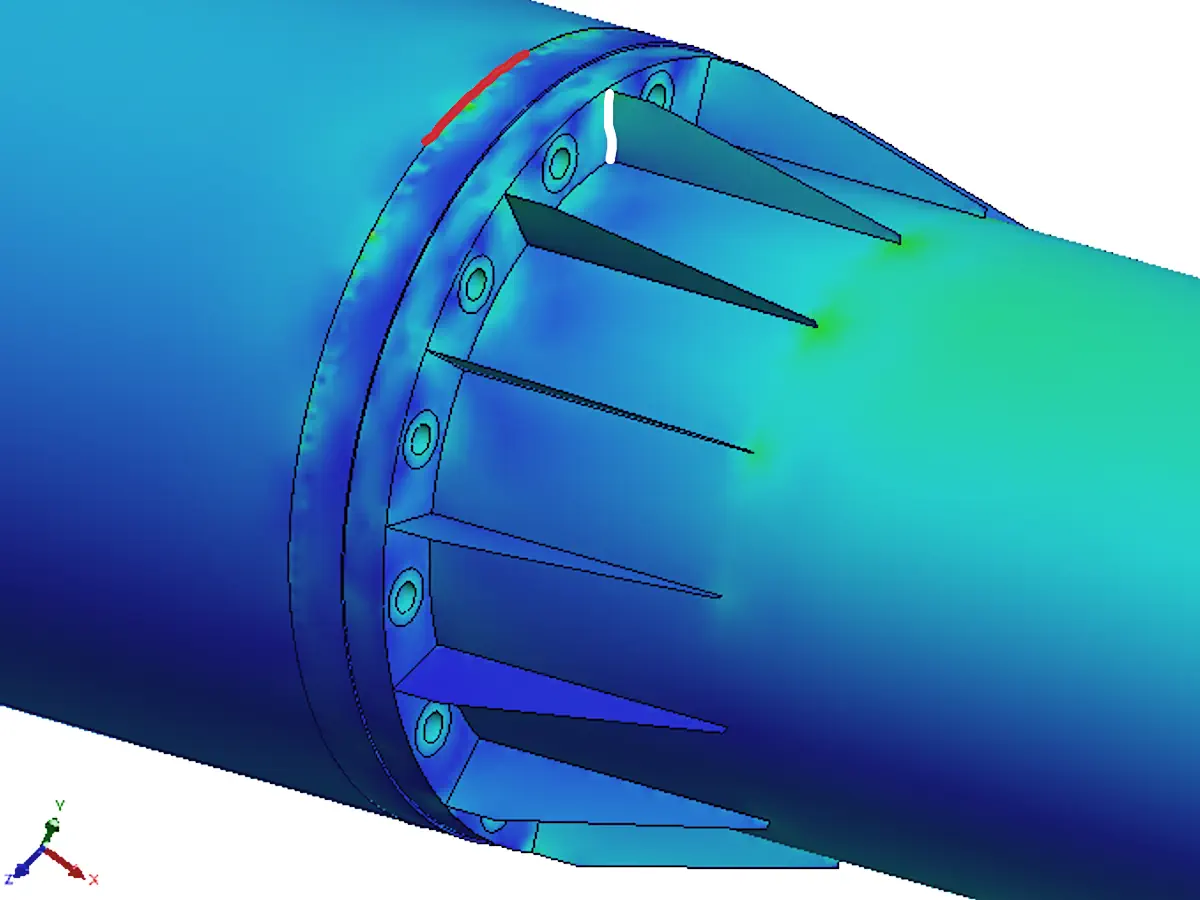
Wind turbine tilting mast
Independent structural verification of a client-designed tilting mast in the 15–20 m height range, combining FEA, manual checks and a formal substantiation report.
Common questions
A few quick answers about analysis methods, inherited designs and assurance.
Need structural evidence you can stand behind?
Tell me what needs demonstrating, what decision it supports and by when, and I’ll let you know whether it’s a good fit.